
A MillionScatteredPieces

Evolving: Introducing Lemon Juice

Lemon JuiceEdition 001

Edition 001 · September 15, 2026 · Published by Lemon Juice

Support AMSP ↓Optional support. The publication stays open to everyone.
How to find things
Edition
A numbered A Million Scattered Pieces publication.
Room
A space in the Listening Library.
Continuum
Things still being considered.
FASCIA
Research and images flowing around and through the work.

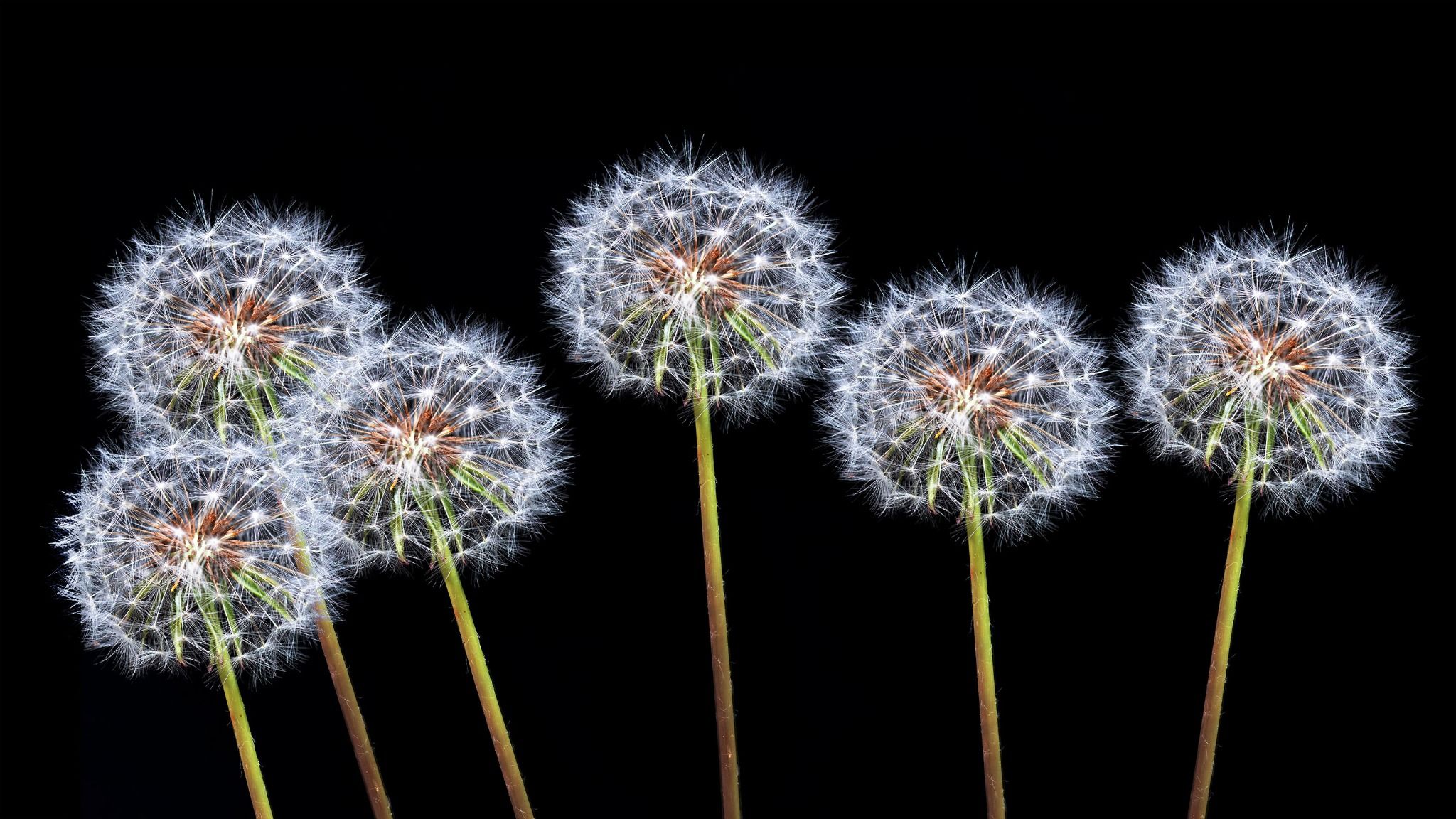
Dandelion composition — Jay Muhlin, Rochester. Basement photograph, assembled in Figma.

What does “A Million Scattered Pieces” mean?
A MillionScale
A million is more than one person can hold, yet it seems smaller now beside billionaires, trillion-dollar systems, and petabytes of data. Its magnitude has not changed, but our sense of proportion has. At a human scale, it should remain immense.
ScatteredConnection
Across time, media, places, and people—yet more networked than ever before. Distance and connection exist at once. Scattered ideas, explorations, inquiries, and observations invite us to bring them into proximity, where patterns can form among the seemingly unrelated.
PiecesFragment
Photographs, sounds, memories, notes, conversations, data, and unanswered questions. Each fragment can feel partial, ghostlike, or almost infinitely small. Together, the pieces become nearly endless—the smallest unit opening onto the largest field.

Edition 001 · Contents

Explore inside

Edition 001 · Welcome

A Million Scattered Pieces is a place for things while they are still becoming.

I wanted somewhere outside the usual social feeds to gather photographs, conversations, music, archives, experiments, unfinished projects, and things I don’t know how to categorize yet. A place I can build around the work instead of fitting the work into somebody else’s platform.

Part of this is accountability. Part of it is boredom. Part of it is wanting to stay curious while the internet, AI, photography, and the culture around all of us are changing quickly.

I don’t expect everything here to resolve. I don’t want it to.

I’d rather make a place you can wander through, leave, return to, disagree with, get distracted by, or find something you didn’t know you were looking for.

Maybe it becomes a collaboration. Maybe it opens another door.

Mostly, I want to make and share things that keep us curious.

Read the cleaned transcript in FASCIA (opens in a new window)

Edition 001 · Conversation

Questions behind the Edition.

Origin / Name

Why does this exist?

I make a lot of things, and some of them drift.

Projects get interrupted. Ideas sit around. Something that felt urgent disappears under whatever came next. Giving this work an editorial structure is partly a way of returning to it—to focus, finish when finishing matters, and let other things remain visibly in progress.

Making it public creates some accountability, but it also gives me an excuse to reach out, revisit people and projects, and follow ideas further than I might otherwise.

A Million Scattered Pieces is an organizing principle for curiosity.

It is also an excuse.

A passport to try things.

Who is this for?

At first, probably a lot of people I already know.

But I would like a reader to become a future collaborator—or at least to imagine that collaboration is possible. I hope someone finds an artist, a musician, a project, an idea, or a way of working that they didn’t know about and falls a little bit in love with it.

I think of all of us as students.

Ideally, I’d like the readers to feel a little like friends.

Why now?

The conditions around making things feel radically different to me.

The pandemic changed culture. The internet changed. AI has added another layer that is altering how we think about images, knowledge, memory, authorship, work, and even what it means for something to be finished.

I don’t want to respond to that by pretending nothing has changed.

I want to examine the tools, use them, question them, and make some of that process public.

At the same time, I am much more interested in the changes I can actually participate in around me: making something, sharing knowledge, collaborating, offering somebody pleasure or curiosity, building something useful with other people.

What does “A Million Scattered Pieces” mean?

Right now, it means gathering fragments before they disappear.

I think about motes of dust, things drifting at the edges, backwaters, small discoveries, half-finished ideas, old histories, technical debris, things that don’t seem important enough to save until suddenly they are.

The publication gives me somewhere to collect some of those things and look at them again.

Not everything needs to become a masterpiece.

Sometimes it is enough to notice something before it flies off.

Material / Process

What counts as a piece?

I’m not completely sure yet, which is probably the point.

A photograph can be a piece, but so can the information around the photograph: its timestamp, metadata, location, archive, caption, context, or the invisible systems that carried it from one moment into another.

I’m increasingly interested in that hidden side of photography.

The visible image is only one layer.

JSON, old Instagram data, databases, conversations, sound, legal documents, websites, walks, collaborations, failed experiments—any of these might become material if they reveal something that was already in front of us but difficult to see.

What is photography doing here?

Photography is my first love and my first real technical discipline.

I sometimes think of it like martial arts training. It taught me how to frame, sequence, edit, build metaphor, make images, and pay attention to what is visible and what isn’t.

I’m compelled to make images. That’s not especially negotiable.

But this isn’t simply a photography newsletter.

Working with AI has begun to feel oddly familiar—as if I’ve found another medium through which I can structure, imagine, organize, and connect things. I sometimes think of it as finding another photography.

I don’t completely trust the feeling of expanded capacity that AI can produce. But I am curious about what happens when these ways of working meet.

Why show unfinished work?

I’m exhausted by perfectionism and by the professionalized performance of finishedness.

The internet doesn’t really behave that way. Digital work doesn’t. AI certainly doesn’t. Our minds don’t.

So why pretend everything has already resolved before anybody is allowed to encounter it?

Showing something while it is becoming can be more honest.

It can also be more interesting.

At a certain point, I don’t really give a fuck about maintaining the appearance that everything is finished.

Readers / Reciprocity

What do you want from readers?

I’m still figuring that out.

Attention, probably.

Participation, collaboration, financial support, showing up, sending something back, or opening another door would all be welcome.

But I don’t want to pretend this is already a fully defined community program.

Right now, I want the publication to create possibilities.

Maybe somebody sees something here and proposes a collaboration. Maybe it leads to work. Maybe it creates research. Maybe somebody comes to an event. Maybe someone supports a project financially.

The point isn’t simply to build an audience.

It is to make more things possible.

Why ask for support?

This part makes me uncomfortable.

I’ve spent a lot of my life behaving as though money should somehow sit outside the artistic practice. But projects require resources, and pretending otherwise doesn’t make that disappear.

If I want to make research, collaborations, publishing, photographs, events, and public experiments sustainably, I need support.

I’m curious whether a relatively small group of people can help sustain this kind of work without turning it into another conventional subscription product.

I don’t know exactly what that model looks like yet.

This is one place to find out.

Why should this be fun?

Because play is one of the most human ways we learn about the world.

Curiosity needs pleasure.

When I imagine the audience that matters most to me, I don’t necessarily imagine an art-world audience. I think about friends, collaborators, and especially friends’ children growing up inside a world that we have made extraordinarily complicated for them.

One thing I can offer is joy.

A strange object. A photograph. A history. A piece of music. A question. Something to discover.

I think making something playful can be a form of caretaking.

Offering somebody joy can be a form of kindness.

And there is a simpler reason:

I want to see and make things that I don’t know about yet.

Upcoming release October 10 · Rochester

Edition 001 · September 15, 2026

Work can be public before it becomes neat.

Welcome to Edition 001. Some things arrive finished. Some stay open. Some lead to Rooms.

On repeat while making Edition 001Interpol’s This Mirror Weighs a Ton (opens in a new window) played almost nonstop while I designed this first newsletter.

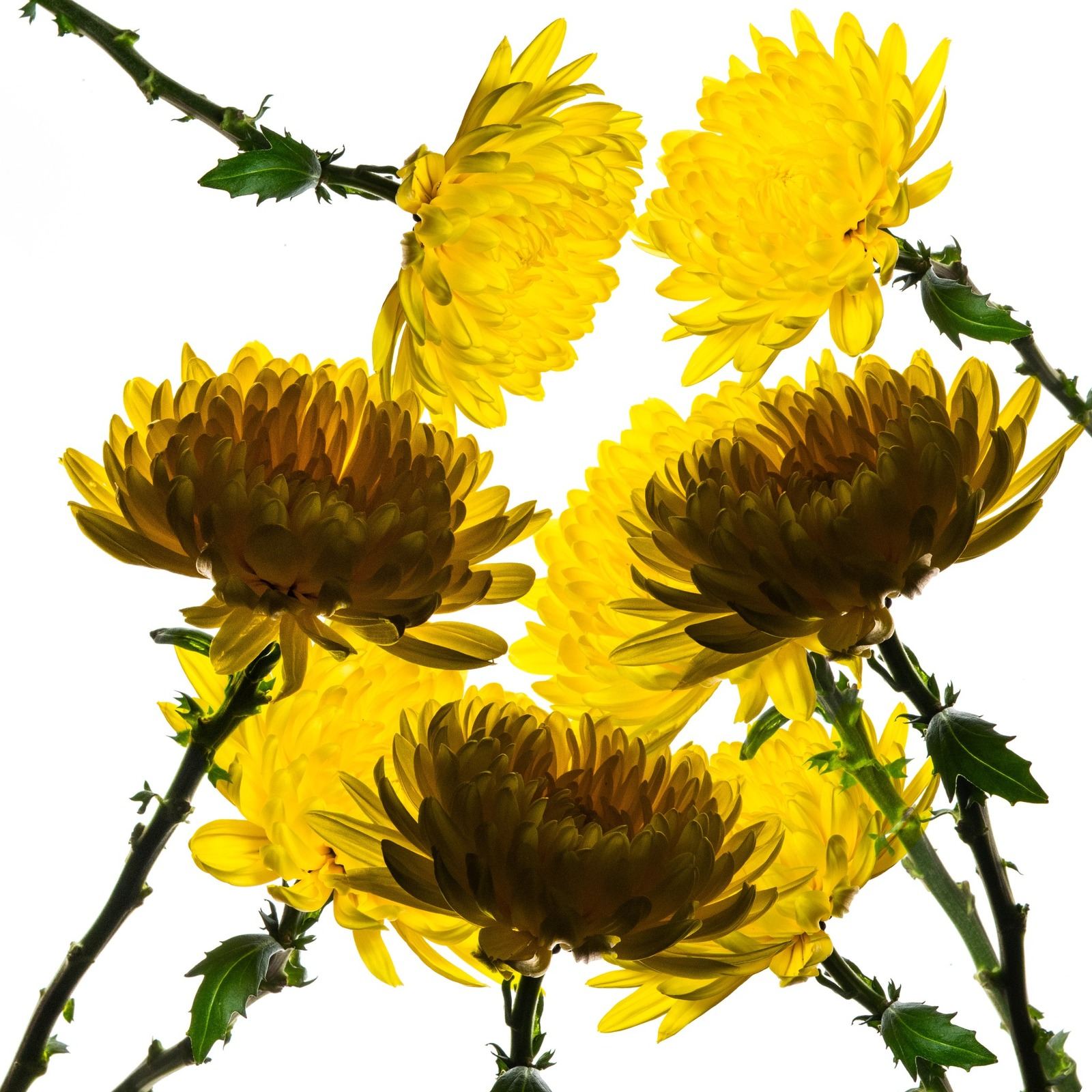
Yellow flowers
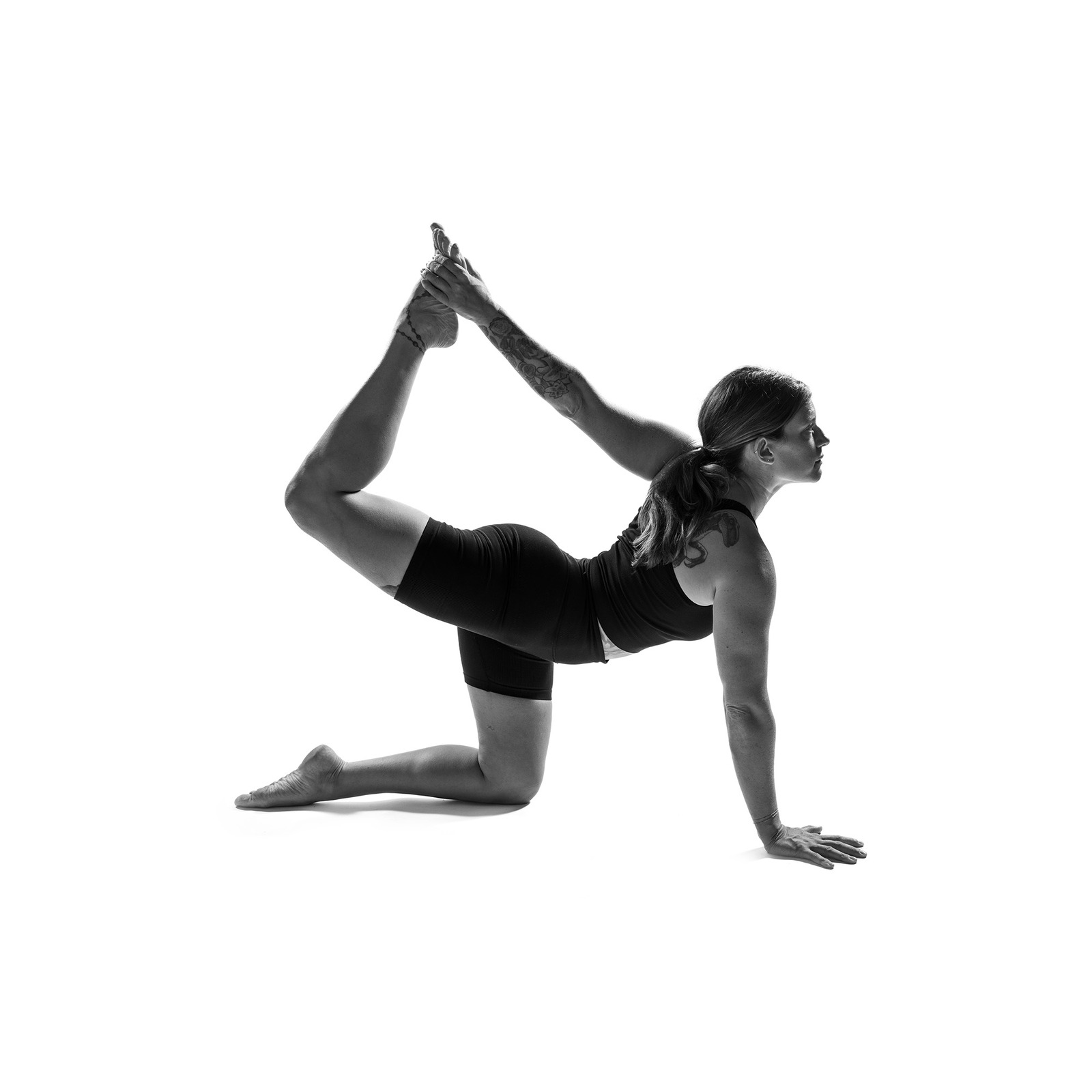
Black-and-white yoga portrait
Lemon on yellow field

In motion · September 2026

Continuum

Things moving through Lemon Juice now.

In This Edition

Ongoing / Future-Facing

Oct. 10 · RochesterFraming Your PracticePortrait afternoon with Tru Yoga

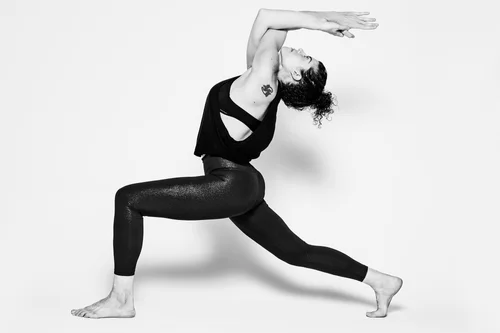
A portrait afternoon for yoga teachers at Tru Yoga: one white seamless, one outfit, three finished photographs.

Open project ↗
Listening Room 001 · in developmentChance of KatzA falling-cat collage game in development

A falling-cat collage game, built as its own place on the web rather than as a page about a project.

Open Listening Room 001 ↗
Summer 2026threeASFOUR: FULL CIRCLEFilm credit

FilmthreeASFOUR: FULL CIRCLE
Directed by Sean Ono Lennon
Co-directed by Brian C. Gonzalez
Written/edited by Jenny Golden

Archival photographJay Muhlin / Village Voice

Pet portrait eventsSecret Pet MenuPortrait events for animals
and the people with them

A run of portrait events made for animals and the people who arrive with them. Some of the photographs have since gone on to other work.

Open the page →
Monroe CountyWeedDarCannabis, with the information left in

A public price-tracking instrument for Monroe County cannabis, built on a repeatable sweep and visible evidence tiers.

Open project ↗
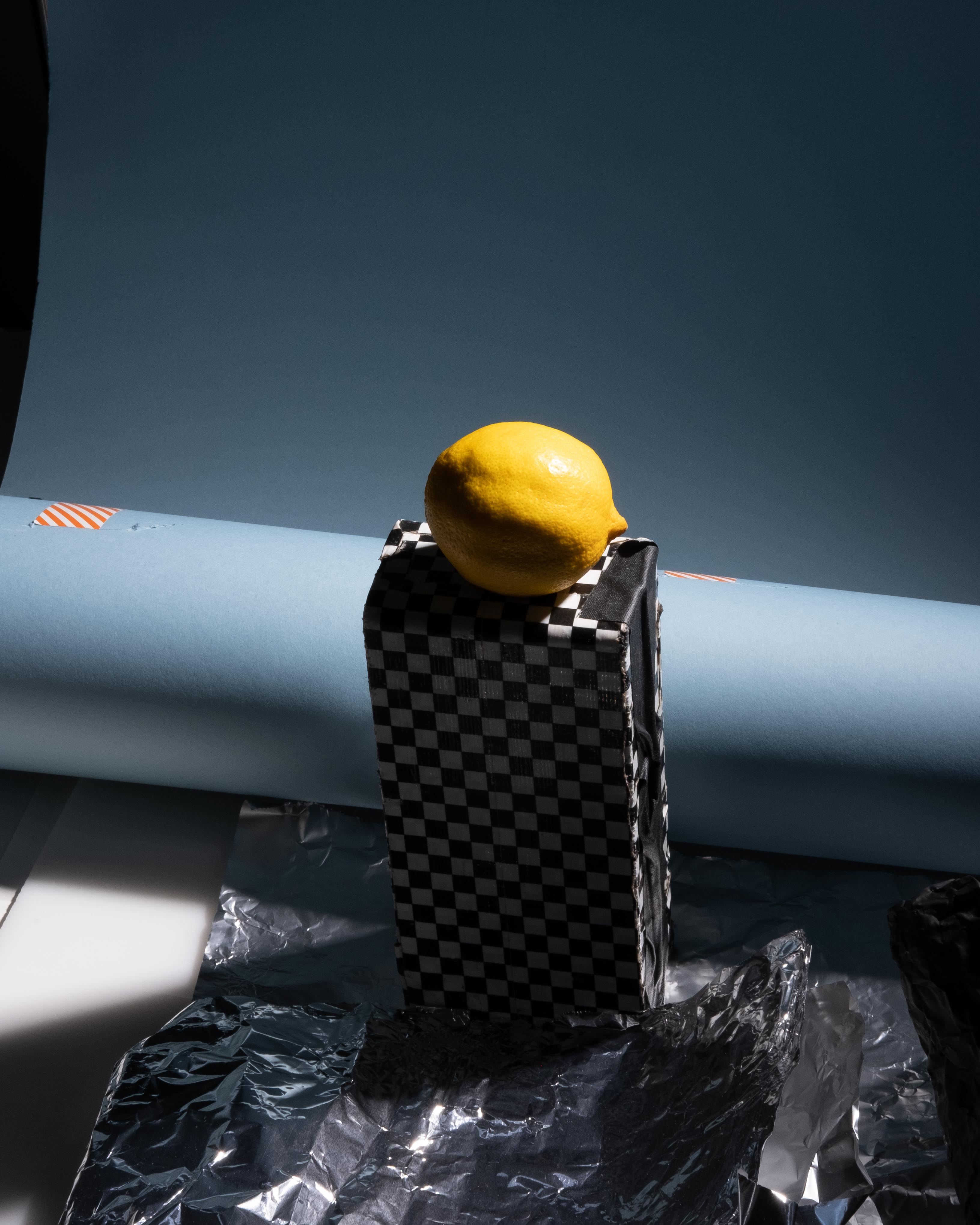
A lemon resting on a black-and-white checkered pedestal in a studio still life.

Lemon Juice Practice · Part 1

Philadelphia, at the beginning.

Philadelphia · four years away

I haven’t been back to Philadelphia in four years.

From here, it’s difficult to separate the city from the pandemic, or the pandemic from the beginning of Lemon Juice.

Three-part history

A three-part history. Edition 001 publishes Part 1.

  1. Part 1 2020–2022 Philadelphia / Beginning
  2. Part 2 2022–2023 Transition / Re-forming
  3. Part 3 2023–2026 Rochester / Now

2022 sits in both Part 1 and Part 2 — a hinge, not a boundary.

Before Lemon Juice, I had spent years doing museum photography while also working inside the fragile economy of adjunct teaching, at one point teaching at three schools at once, with zero accountability from those institutions to care about labor in any real way. It wasn’t those particular schools. It was the industry.

At the same time, I was showing photographs and other work at Vox Populi and publishing books. Roughly 2015 to 2018 was an especially active period for that part of my practice. By then, I felt culturally overeducated for the society I was living in.

Then the pandemic came, and I watched institutions that presented themselves as automatically credible fail to live up to their own standards. It felt like an opportunity to jump in and make an agency that could start engaging with broken institutions.

The city changed for me in those years too. There was a reckless amount of construction and what felt like a growing disregard for the space around us. Our mailbox was stolen twice. My car disappeared for a month and came back with the display in kilometers, needles, pen caps, and a pair of shoes inside. I still wonder where it had been.

FASCIA · pandemic / archive Open the deeper connective source ↗ (opens in a new window)

There was another Philadelphia practice happening at the same time, outside and on foot.

Jordan Baumgarten and I would meet up masked and walk the city at a distance from each other, making photographs, talking, and smoking weed. We were walking through all of that construction and watching the city change.

I liked photographing Jordan in his haunts and along his ritual walks.
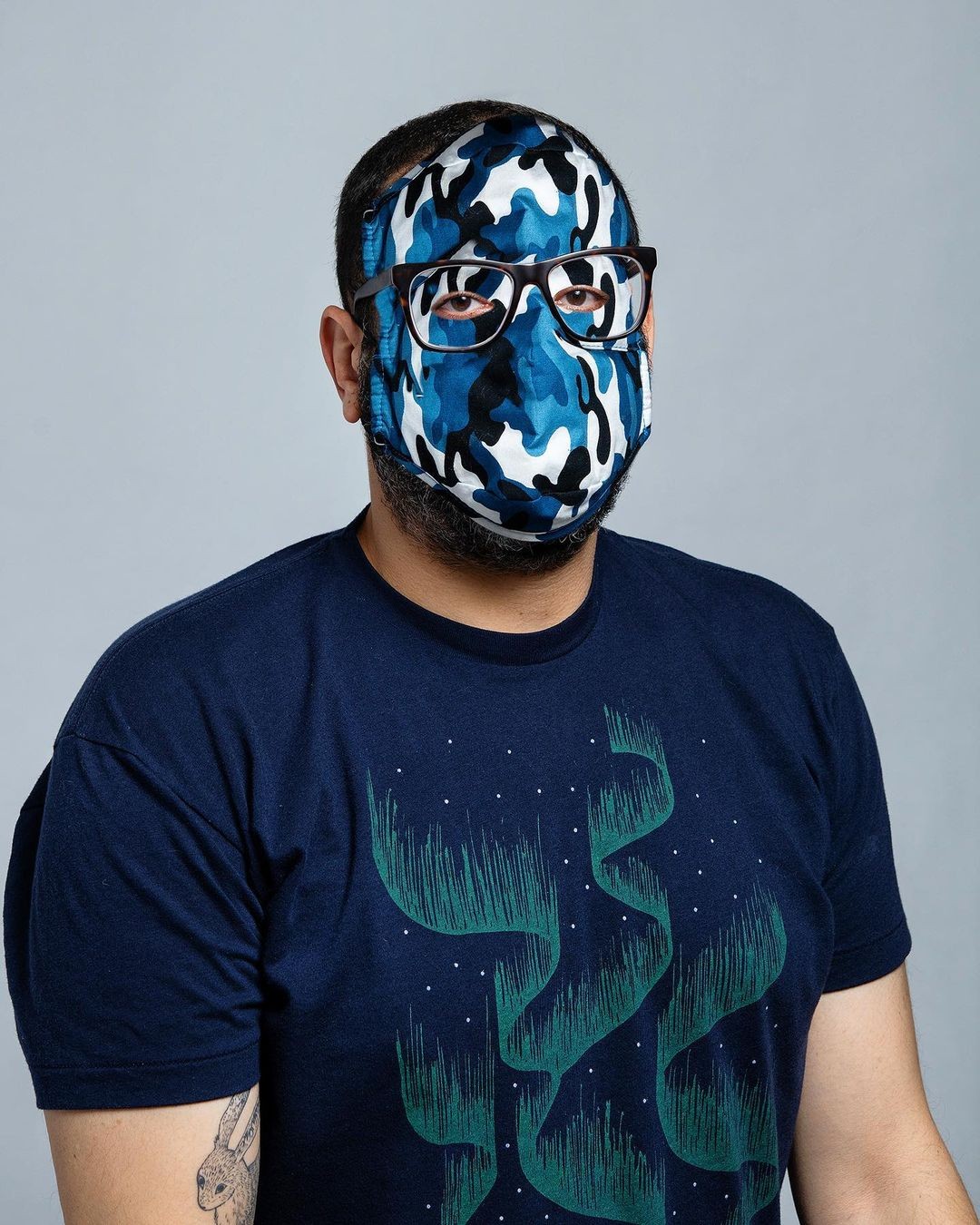
Self-portrait made during the pandemic in 2021.
Self-portrait · 2021

Part of the pleasure was that I could use him almost as a stand-in for myself. Sometimes while I was photographing him I’d joke, “This one is for your Guggenheim application.” We had enough in common—two photography degrees each, both doing the adjunct-photography-teaching hustle, similar backgrounds, and a love of food and humor—that following him through Philadelphia sometimes felt like looking sideways at my own life. He could also feel a little like a younger brother: familiar enough to love, and familiar enough to get annoyed with.

Jordan is driven by his heart and by an allegiance to making Philadelphia a better place. He is absolutely convinced Philadelphia is better than New York City, and I have always been especially quiet about telling him he is wrong. I let him make his case.

He is also extremely loyal. He helped me move at least five times—into a former coffin factory in Fishtown, between storage units, over and over—and none of that shit was light. It was negatives. It was books. He always came through. He and his wife, Anne, were there when Natalee and I got married; Jordan signed as our witness. It wasn’t the first wedding of mine in Philly where Jordan had been a VIP guest.

One of the places I kept photographing him was the vacant lot behind his house—the back lot, as we called it—where Jordan was making photographs for the work that became The Group for Mutual Improvement. That’s where I made Walter and Jordan. I liked that the portrait put him inside the same landscape he was photographing. Jordan was motivated to be a part of and a witness to his neighborhood. He even had pet names for particular sites, like his “Rothko wall.”
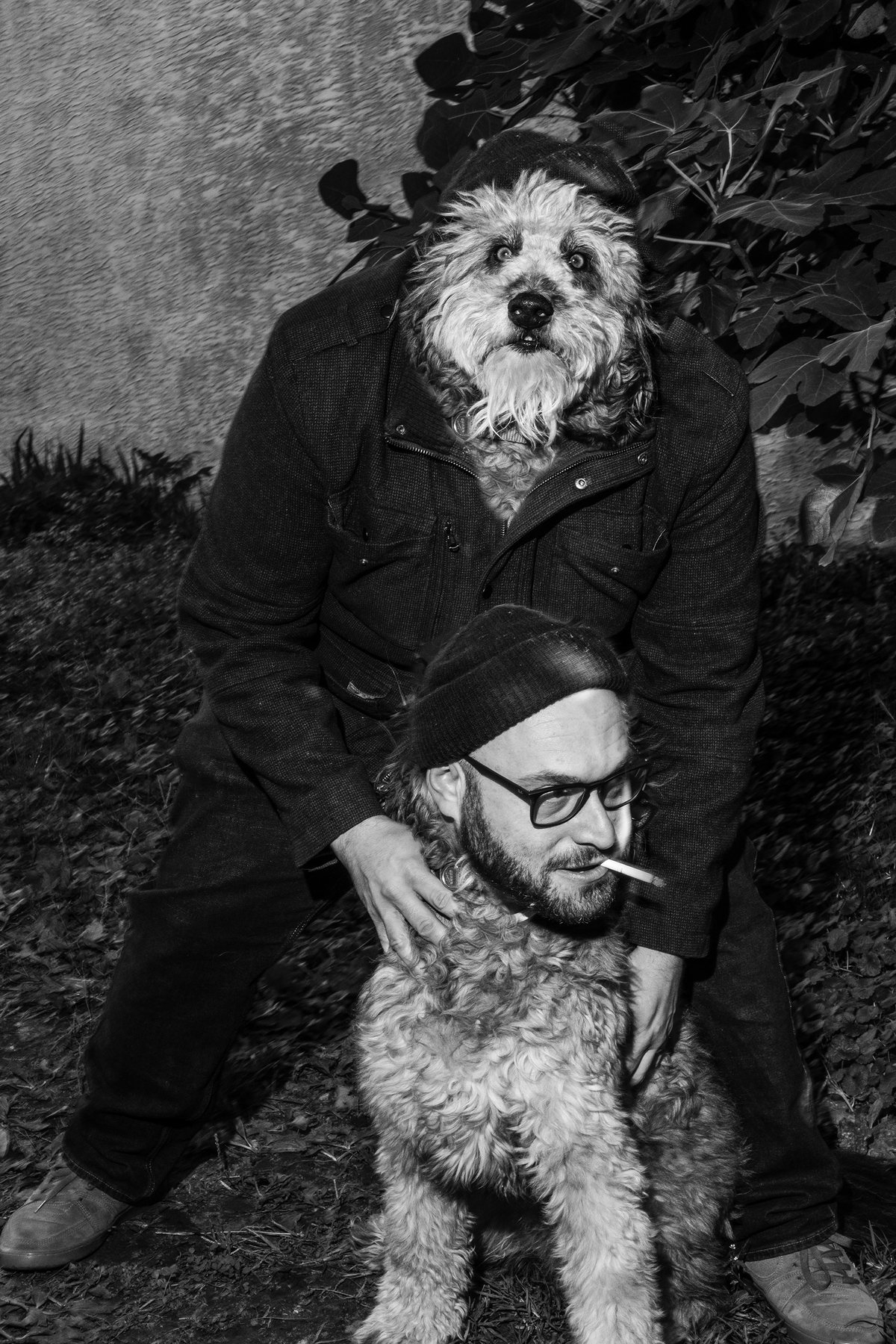
Black-and-white night photograph of Jordan Baumgarten crouched with Walter in the back lot.
Walter and Jordan · Philadelphia · 2021

Walter and Jordan

Walter, a dog, with Jordan Baumgarten in the back lot, Philadelphia, in the landscape Jordan was photographing for work that became The Group for Mutual Improvement.

FASCIA · Walter + Jordan Portrait / back-lot thread ↗ (opens in a new window)

Jordan wasn’t part of this side of my Philadelphia.

Lemon Juice began as a test. I invited people working across photography, design, writing, curatorial thinking, building, and business to try something together. It was supposed to be flexible and listen to itself. The hope was that a larger web of eyes might find opportunities none of us would find alone.

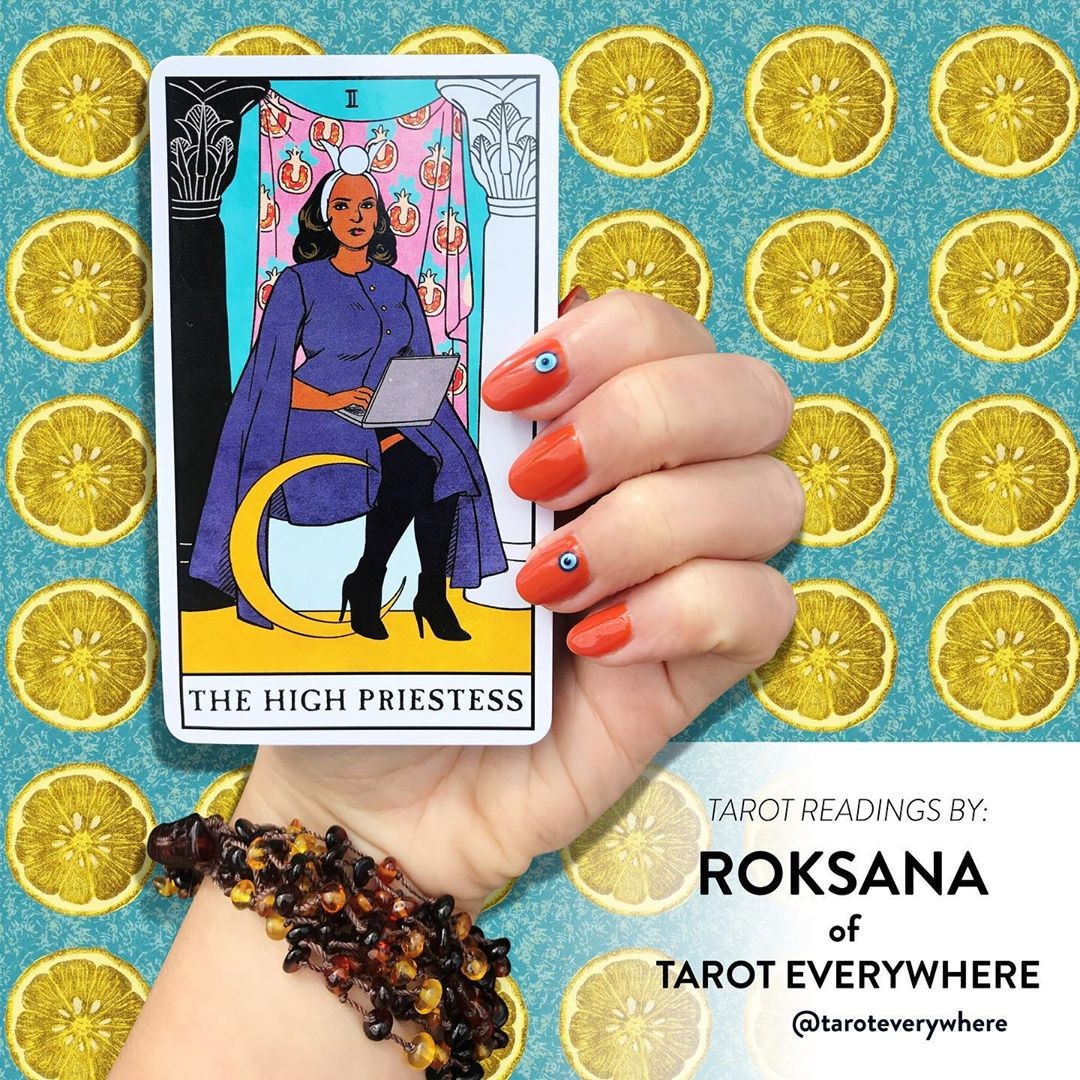
Angela McQuillan worked across graphic design, web design, and physically building things, and was fully on board to give it a go. Roksana Filipowska contributed writing and curatorial thinking, including work around a public Tarot-card-reading event. Other people moved through at different moments.

Amrita Yoga & Wellness had mattered to me long before Lemon Juice. I joined after moving into the coffin factory, during a difficult period in my life, and yoga there became one of the ways I learned to train my focus and stay with myself. I had my spot on the left side of the room, away from the windows. I knew that piece of floor intimately.

Heather Rice later let Natalee and me have that wedding at Amrita. Then, when the pandemic shut nonessential businesses, she trusted me with a key and let me use the studio when I wanted, no strings attached. Later she joined some of our remote meetings to talk through business questions.

FASCIA · Amrita Practice / trust / space ↗ (opens in a new window)
Safety shaped everything. The room was roughly 5,000 square feet. I’d have the windows open, double masked in winter, with heaters on the ceiling keeping the room at a normal temperature. Other portrait sessions moved onto rooftops for fresh air. Care wasn’t separate from the projects. It was how they were built.
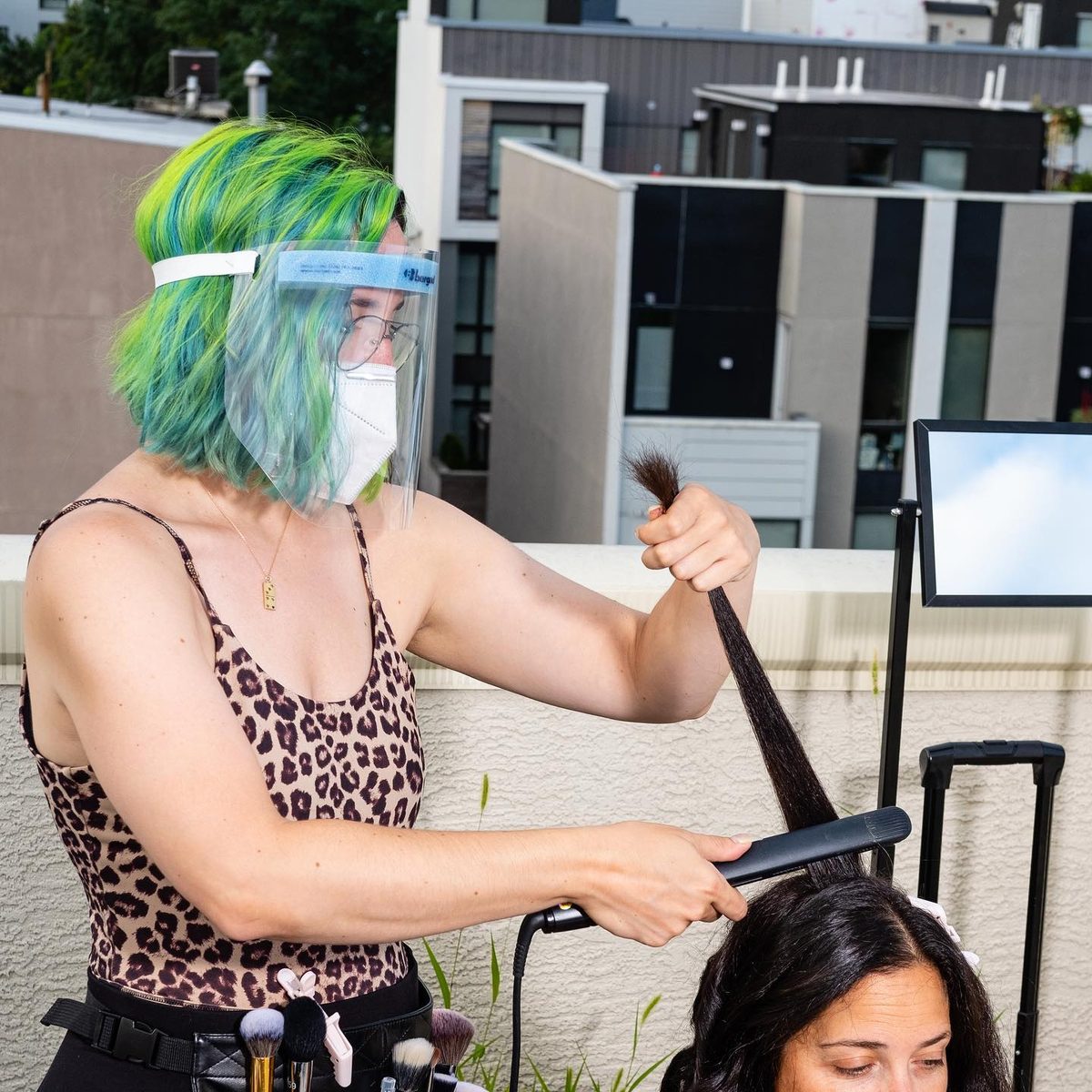
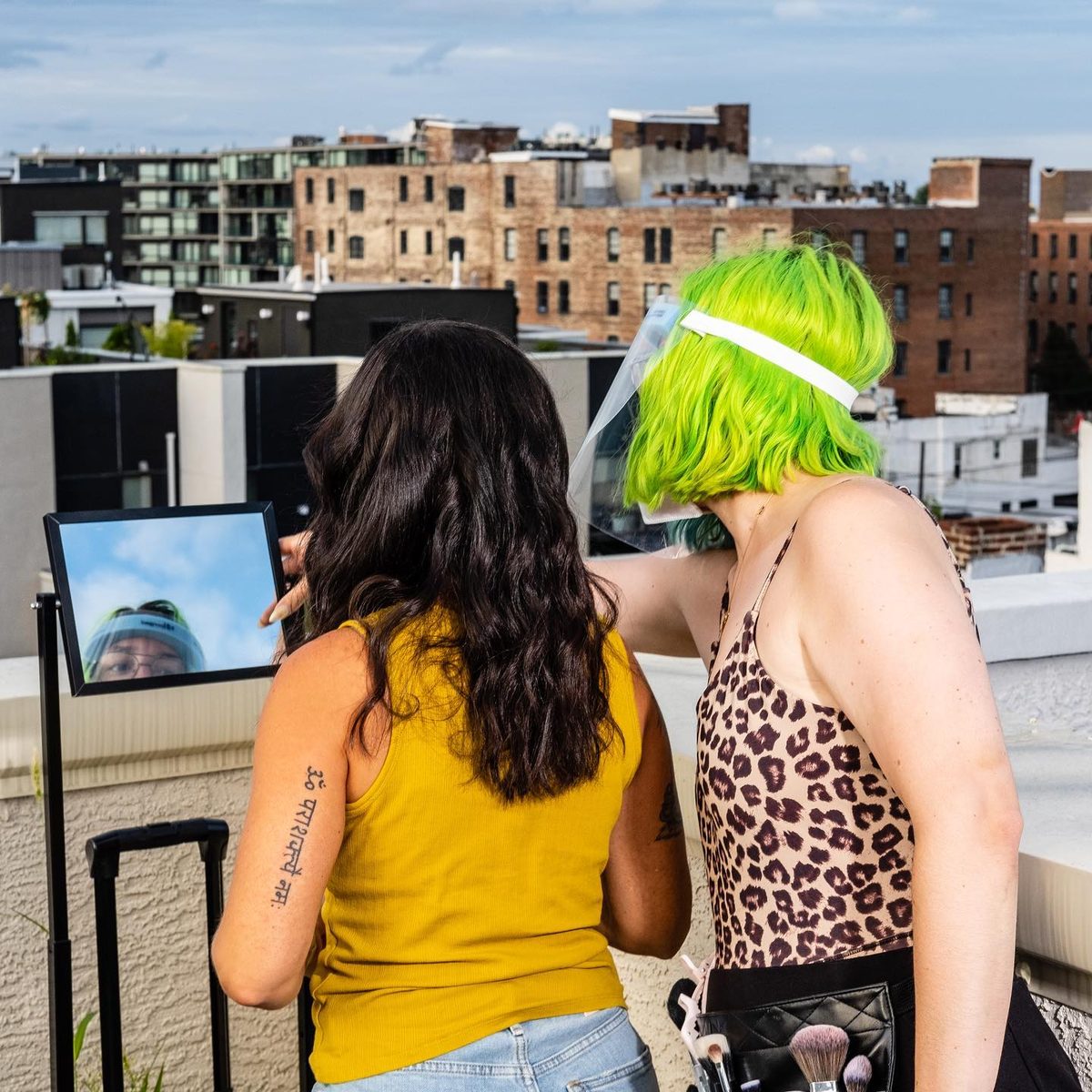
A rooftop portrait session: one person in a mask and face shield working on another person’s hair.
Making photographs · October 2020
Two people standing at a tethered monitor between takes, city rooftops behind them.
Event archive · October 2020

Secret Pet Menu started in Philadelphia on Valentine’s Day as something kind and COVID-safe. Photographing dogs gave me a way to make pictures and still be around people safely.
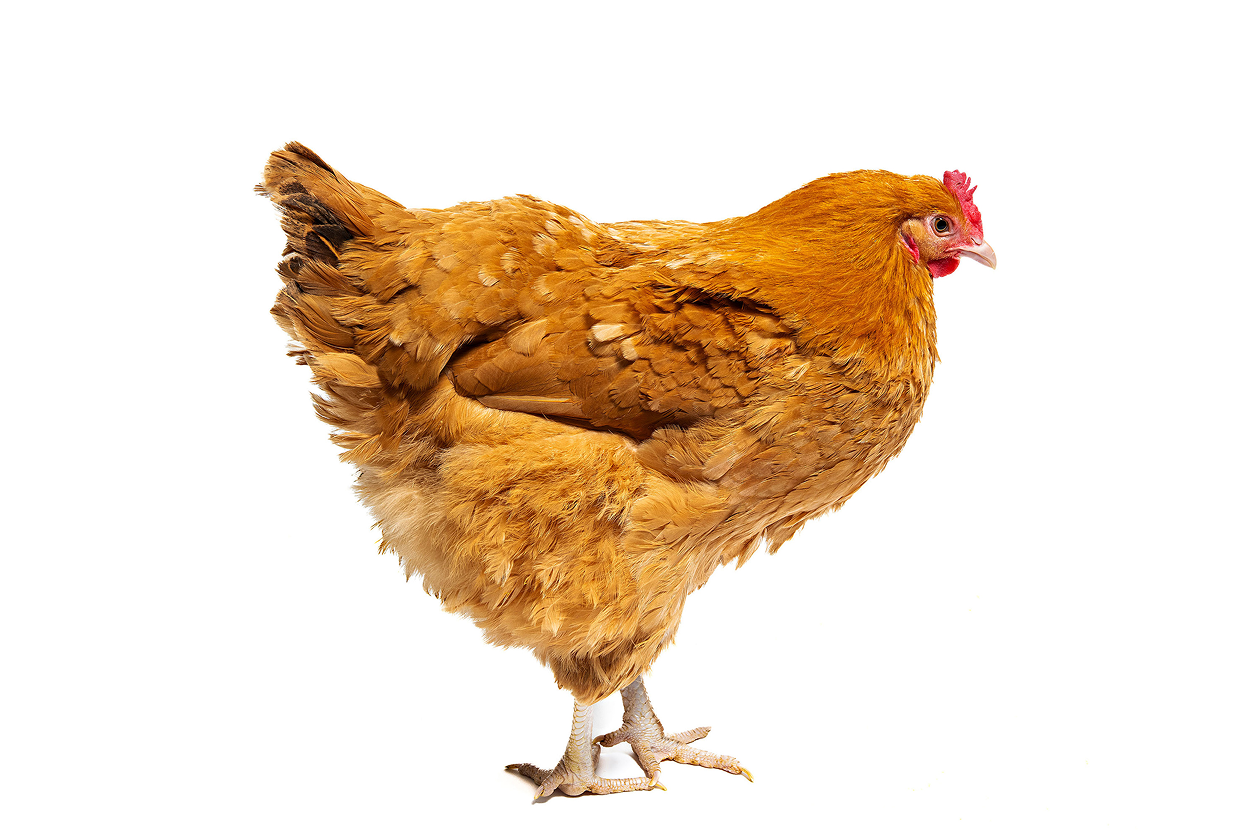
A golden-brown chicken photographed against white for Secret Pet Menu.
Secret Pet Menu

Vampire Rules used fiction to let people try to be their own best person, and to think about the undeadness of the pandemic: living in a shell of our former lives. The version online now is version 000, like the first edition of a newsletter. It’s a start, not where it ends up. I’ll come back to it in another edition.
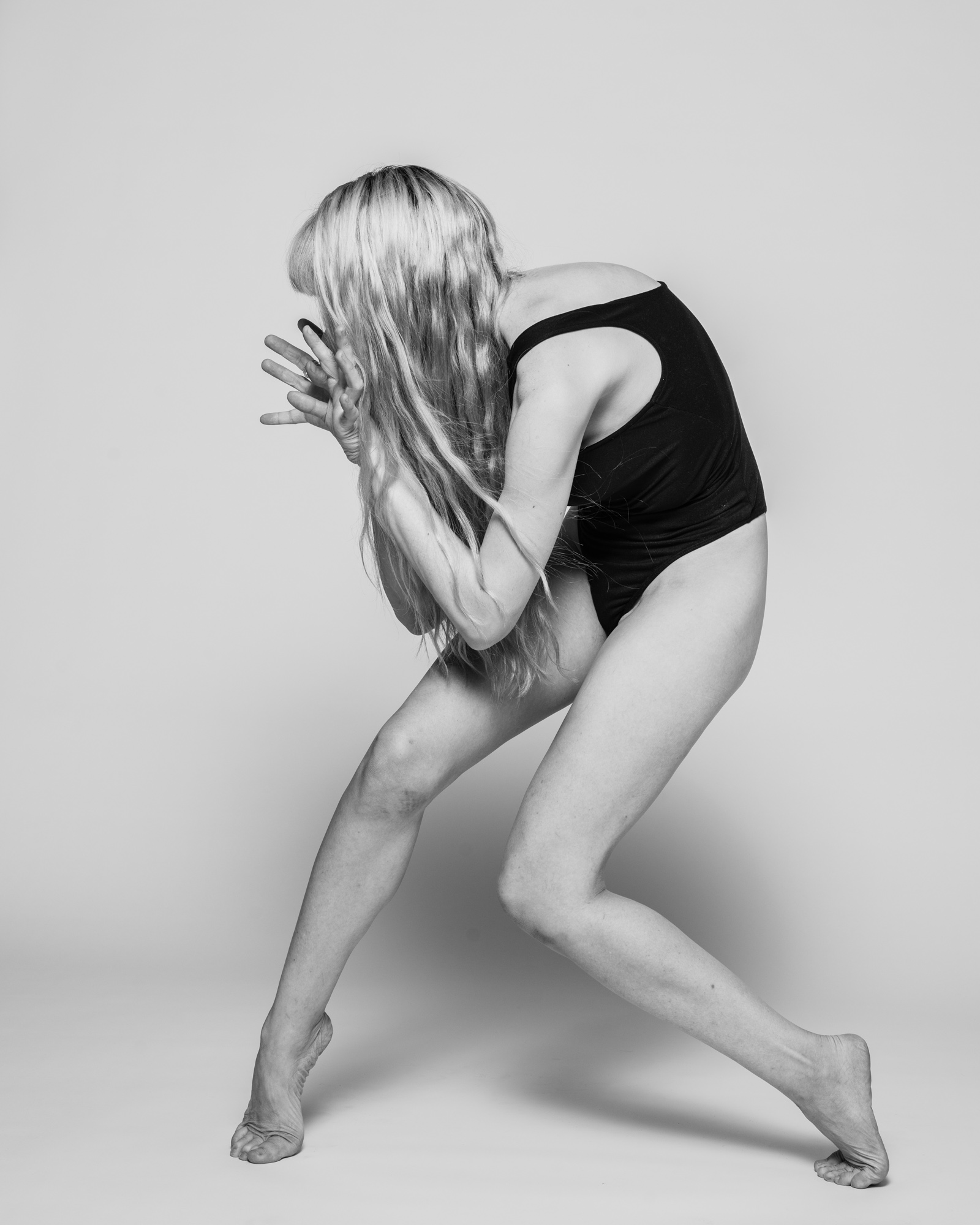
Stephanie Potter performing a bent, angular pose for Vampire Rules at Amrita Yoga & Wellness in 2021.
Stephanie Potter · Vampire Rules at Amrita Yoga & Wellness · 2021
FASCIA · projects / archive Secret Pet Menu + Vampire Rules ↗ (opens in a new window)

Managing all of this was my first real experience being a creative manager, project pusher, and maker trying to motivate an unpaid labor force. It was creative, but I was doing so much administrative work that I started thinking about administration as an art practice, because it was pretty taxing.

Not everything worked. We tried designing a logo together, in community.

That was a terrible idea—or at least, the way our process turned in on itself was terrible.

The Pennsylvania company was Lemon Juice Projects LLC. In Rochester, I started again as Lemon Juice LLC. I never really said Lemon Juice Projects anyway. I said Lemon Juice. The idea was something you could apply to different projects, so it didn’t need Projects in the name. I kept Projects for the website—one of the projects—and redesigned the logo around the simpler name.

Some of those Philadelphia experiments continue. Secret Pet Menu keeps going as pop-ups in Rochester. Vampire Rules is still at 000. The pandemic archive is still waiting for me.

What I’m interested in now is not what survived intact, but what changed form and kept going.
The experiment continues.

Actively dreaming for positive change.

Independent project · in development

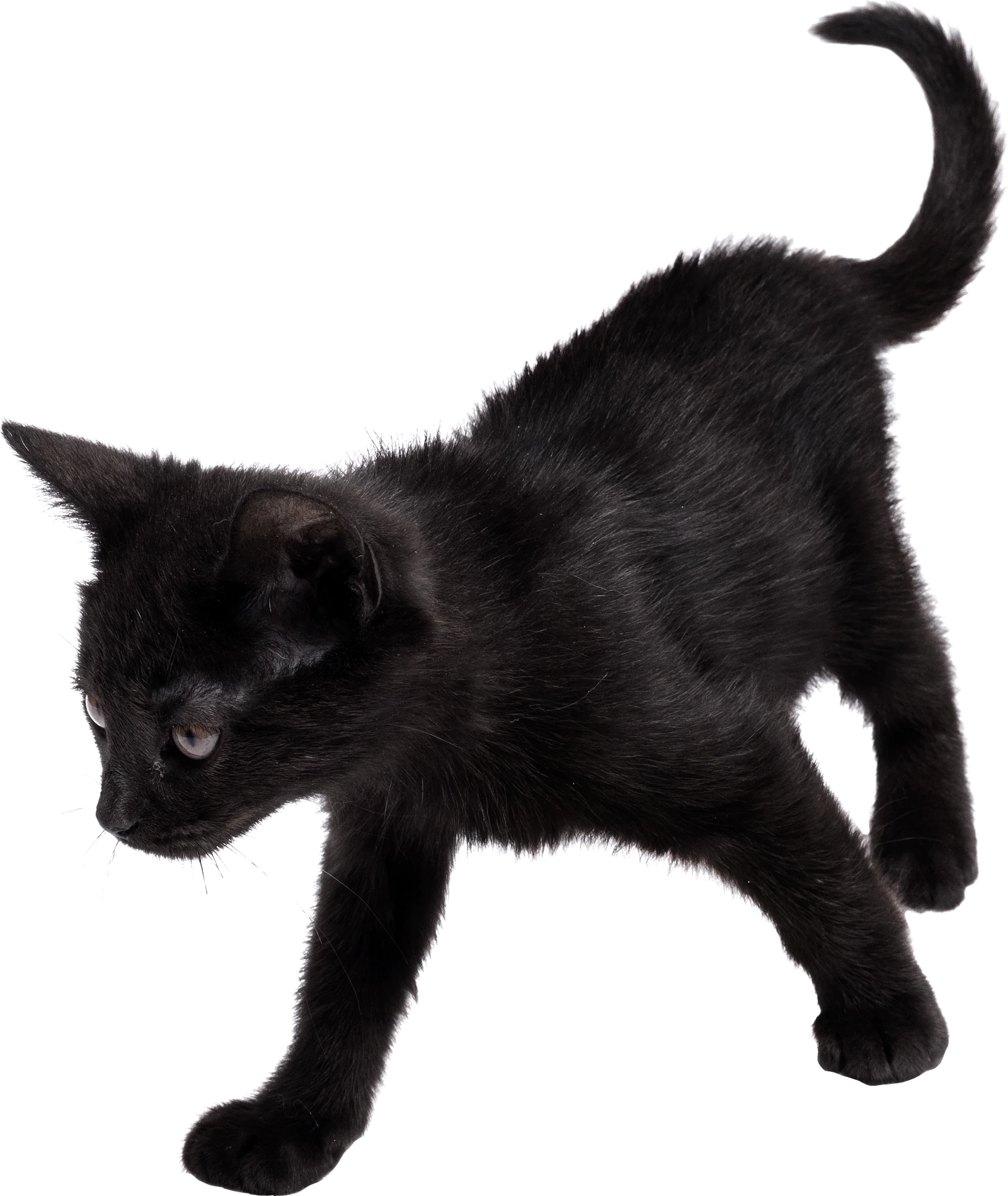
Chance of Katz

A falling-cat collage game, built as its own place on the web rather than as a page about a project.

Weather is the mechanic and the metaphor. Cats fall the way rain falls — a forecast, a probability, a thing you can watch but not schedule. The game accumulates collage, motion and sound around that one idea, and it keeps its own address because it behaves nothing like the rest of the studio’s work.

It is being made with Derek Jerome, and it is genuinely unfinished. That is part of why it appears in this Edition: the publication is a way to show work while it is still able to change.

Open workbench

Muscle Learning Tools and methods learned through repeated use while making the project

Edition 001 was built while the tools were being learned. AI, code, deployment, interaction, motion, the Listening Room architecture, and the publication’s own editorial grammar became usable through repetition rather than before the work started.

The tools were being learned at the same time as the thing was being made. Part of making Edition 001 was figuring out what an Edition could be.

Working Record — Edition 001

Research
Gemini — precedent scans
Editorial development
ChatGPT — editing / build support
Notes & staging
Notion — research notes / content arrangement
Review
Claude — code review / regression checking
Design
Figma — visual mapping
Web composition
HTML, CSS, JavaScript
Publishing
Netlify — deployment

Open FASCIA · Edition 001 ↗ (opens in a new window)

Earlier playable version The game as it currently stands — process and evidence, not the Edition's ending

Listening Library / Room 001

Available now · part of Edition 001.

Listening Room 001

(Preparing for) a Chance of Katz

A Room is where an Edition can open into listening, encounter, experiment, and collaboration.

Open Listening Room 001 ↗

Or browse the Listening Library

Peripheral

Recipes & Bad Advice

Nothing ready yet.

Reader support · optional

Support A Million Scattered Pieces

Pick whatever feels right. The publication stays open to everyone.

Prefer annual support? Annual option ↗

Billing and subscription management are handled directly by Stripe.