Sound begins here as conversation and research — starting points, not destinations.
Derek → Open Player Two
Derek Jerome, who also makes work as Toskabyss, is a musician and sound experimenter interested in experimental music, instrument-focused performances, hardware, tutorials, gear, released music, sample and instrument-preset packs, and new ways of shaping sound in a browser. Formerly based in Philadelphia and now a Rochester transplant, Derek brings a curious and generous approach to sharing what he discovers. For Chance of Katz, his sound-design research begins with conversation, experiments, and starting points—letting the sound develop alongside the project while it is still taking shape. He expects me to remember some guy named Jim and a pedal he mentioned last week.
A Million Scattered Pieces is a listening and visual-research project from Lemon Juice, the creative studio of Jay Muhlin. It moves through more than one form—images, writing, sound, references, experiments, and work that is still becoming itself.
The Listening Library gives each edition one public shelf for the records, tracks, fragments, and sonic references surrounding the work, without pretending they are a soundtrack or a set of instructions. Room 000 was a single album played whole. This room is different: it is a conversation between two people.
This first room introduces Chance of Katz. Cats fall through an exact grid while weather language—forecast, pressure, danger, heavy catfall—gives the system its straight-faced logic. The game-making is still in progress, and this room is part of that process rather than documentation of a finished object.
These are coordinates, not a blueprint.
01 · The umbrella ☂️Open ↓Close ↑
A sidenote on the project’s weather mark.
Conditions are present
The umbrella started with the name. Chance of Katz already sounds like a weather report—chance of rain, chance of snow, chance of something coming down. The umbrella just makes that visible.
It is not meant to be a mascot or a cute cat logo. It behaves more like a weather-service symbol, an airport-display glyph, or a small piece of instrument-panel notation: simple, functional, almost official.
The umbrella is not protection. It is notation.
02 · The ghost piece
Research opened by play.
Access to the near future
Derek’s playtest note about the landing guide—that it prevents an off-by-one drop and functions as an accessibility advantage—opened a separate research path.
In falling-block games the guide is usually called a ghost piece or shadow. Arika’s Tetris: The Grand Master uses the wonderfully bureaucratic name Temporary Landing System (T.L.S.) and shows it only up to level 100. Past that point the game keeps the piece, keeps the grid, and takes the forecast away.
A forecast here isn’t probability. It’s access to the near future.
The engine knows where the piece is going. The design question is how much of that knowledge the player receives—landing position, next piece, perhaps later pieces beyond that. The research becomes a way of thinking about visibility, information, pressure, and preparation.
03 · Where to start
Nine listening coordinates.
Listen together
These first nine tracks are Jay’s opening prompt—an invitation to Derek to start a conversation about what Chance of Katz might sound and feel like.
It is not a soundtrack assignment, and none of this music was made for the project. These are existing records used as starting points—a way to talk about rhythm, atmosphere, repetition, memory, transmission, and the strange tone the game is beginning to find. Derek’s four references further down are his reply to this prompt.
Each track is listed below with its own Spotify, YouTube, and Bandcamp links, so you can follow the ones you want on whichever service you already use.
No player is embedded on this page and nothing loads until you follow a link, so no third-party cookies are set by simply reading the room.
04 · Feeling / thought space
Three openings
01
Broadcast
personality / transmission
About Broadcast
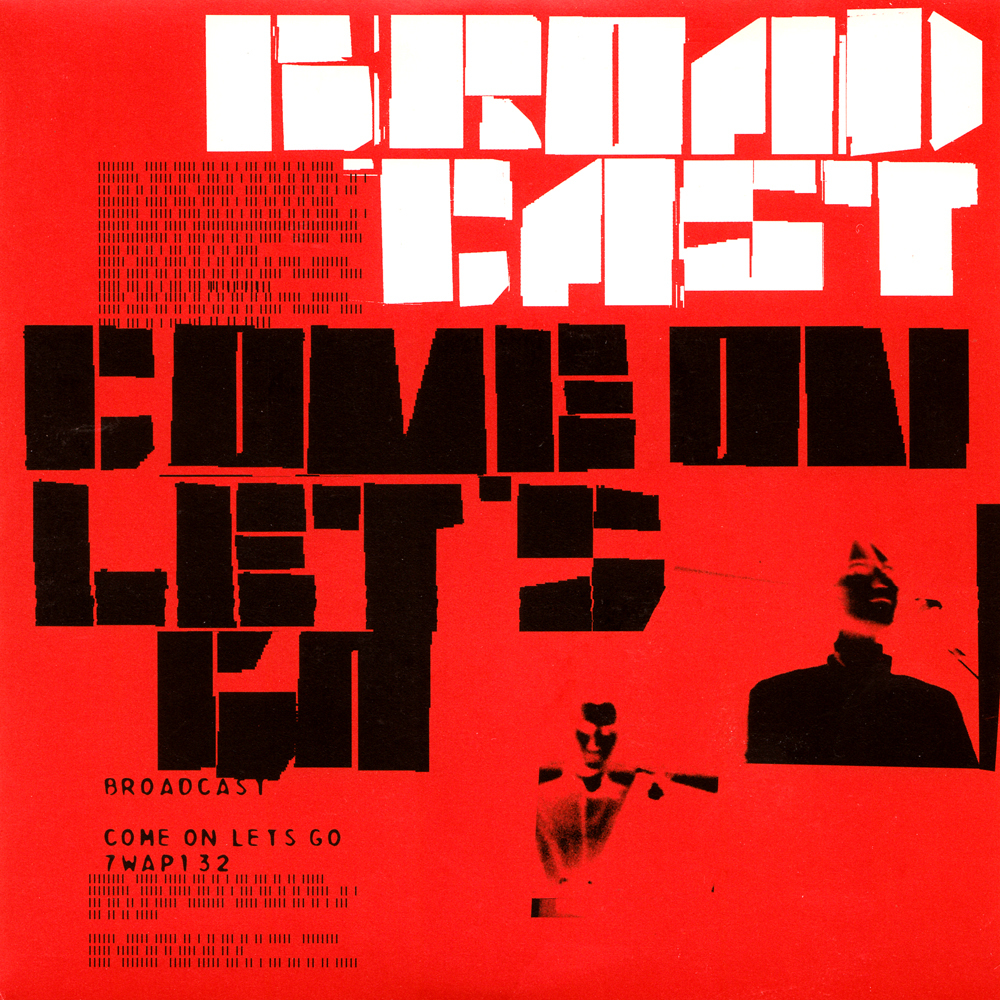
Broadcast were an English group formed in Birmingham in 1995 and led by Trish Keenan and James Cargill. Their records brought 1960s psychedelic pop, early electronic sound, film music, and sampling into an intimate, uncanny form of experimental pop.
Stereolab are a London-based avant-pop group formed in 1990 by Tim Gane and Lætitia Sadier. Their music brings droning guitars, vintage keyboards, motorik repetition, multilingual vocals, and bright pop melodies into the same system.
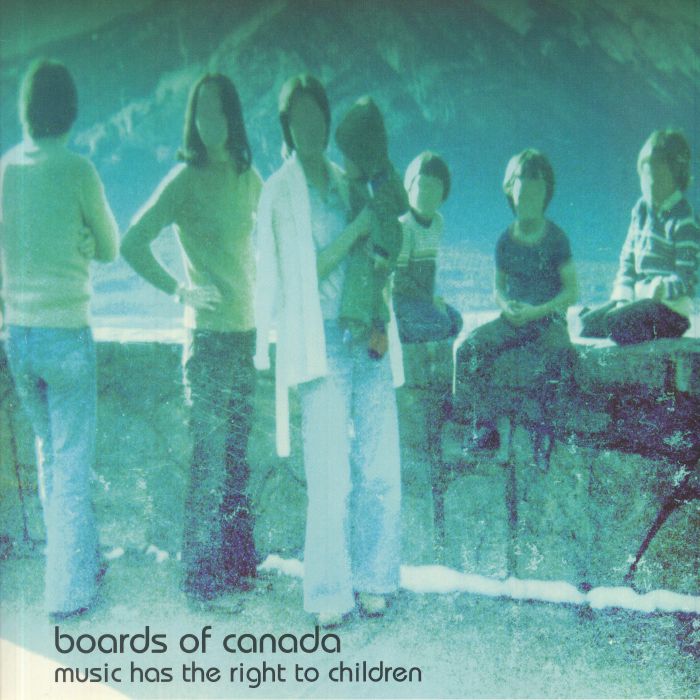
Boards of Canada are the Scottish electronic duo of brothers Mike Sandison and Marcus Eoin. Their slow loops, softened tape textures, analog melodies, and fragments of familiar-sounding media often make new music feel half remembered.
Three starting points, not destinations. Each opens a different feeling and thought space: personality and transmission; motion and repetition; atmosphere and memory.
Open each artist to see the selected tracks and follow the music outward.
1 — personality / transmission
Broadcast
Fragments, signals, repetitions, interruptions, and unfinished states. The useful connection is not imitation; it is permission to think across different states of material.
Broadcast’s world extends beyond the original albums into demos, rarities, session recordings, miniature pieces, and material gathered back into circulation later. Fragments and unfinished material can become another way into the work.
After Jay sent the nine tracks above as an opening prompt, Derek replied with four more. This is the first turn back in the listening conversation.
Four more openings
After Jay sent the nine tracks above as an opening prompt, Derek replied with four more. These are existing records Derek pointed to, not music he wrote. Nothing in this room is Derek's finished score or an original composition for Chance of Katz—the score does not exist yet, and this is the conversation before it.
Derek also singled out Broadcast’s “Papercuts,” Stereolab’s “Ping Pong,” and the tape warmth of Boards of Canada; those threads remain in the three shelves above.
01
Dorian Concept — Fooling Around on the Yamaha Reface CS